
Subtotal ₺0.00

The surprising impact of luck in casino games
The Essence of Luck in Gambling
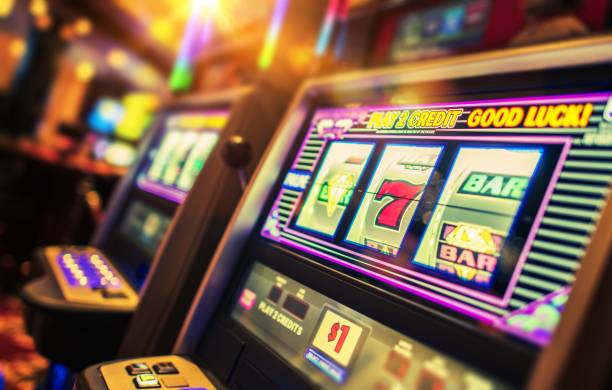
Luck plays a pivotal role in the outcome of casino games, often shaping the experiences of players significantly. While skill and strategy have their merits in certain games like poker, luck can turn the tides in an instant. This unpredictability is what attracts millions to casinos, as players hope to experience that exhilarating rush of a winning streak. The sheer randomness of games like slots or roulette exemplifies how luck can dramatically influence a player’s fortunes. In this context, many enthusiasts enjoy the aviator game app as it adds a modern twist to traditional concepts.

Moreover, the concept of luck extends beyond mere chance; it taps into psychological elements that can affect gameplay. Players often believe in lucky charms, rituals, or even specific time frames that they perceive as auspicious. This belief in luck can lead to a more enjoyable experience, reinforcing the idea that it is not only the outcome that matters but also the journey towards it. Such perceptions can sometimes create a virtuous cycle, encouraging players to return to the casino in search of their next lucky break.
Additionally, understanding the role of luck can assist players in managing their expectations and finances. Realizing that luck is inherently unpredictable can help mitigate feelings of frustration associated with losses. Rather than viewing gambling solely as a pathway to wealth, players can learn to appreciate the entertainment value it provides, balancing their enthusiasm with a realistic outlook on chances and outcomes.
The Historical Context of Casino Luck
The evolution of casinos reflects a long history intertwined with the concept of luck. From ancient civilizations to modern-day establishments, the notion of chance has been pivotal in attracting patrons. Early games of chance, such as dice and simple card games, laid the groundwork for contemporary casino gaming. These ancient practices were steeped in superstition, with players often invoking deities or using talismans to boost their odds.
As gambling became more organized, the establishment of casinos in cities like Venice and Monaco solidified luck as a key component of the gambling experience. The architecture and ambiance of these venues were designed to evoke feelings of excitement and possibility. By creating an environment that celebrates luck, casinos have managed to remain relevant and alluring throughout the centuries, adapting their offerings while maintaining the essence of chance.
Moreover, historical events have influenced how luck is perceived in gambling. The introduction of technologies and innovations, such as the automated slot machine in the early 20th century, shifted the focus towards luck as a primary factor. These developments not only changed how games were played but also emphasized the randomness and unpredictability associated with winning and losing. Thus, the historical evolution of casinos underscores the lasting impact of luck in shaping gambling as we know it today.
The Role of Technology in Luck-Based Games
With advancements in technology, the landscape of casino gaming has transformed dramatically, influencing the perception of luck. Online casinos and mobile gaming apps, such as the aviator game app, have made gambling more accessible than ever. These platforms utilize random number generators to ensure fair play, emphasizing luck over skill. Players can engage with their favorite games from anywhere, adding a new layer of excitement to the traditional gambling experience.
Additionally, technological innovations have sparked new genres of games that focus heavily on luck. Games like live dealer roulette or virtual slot machines harness advanced algorithms to create immersive experiences while keeping the element of chance at the forefront. This evolution not only attracts a diverse audience but also changes how players engage with luck. The instant gratification of online games can lead to heightened emotions, often blurring the lines between chance and strategy.
Furthermore, technology has given rise to data analytics in gambling. While some argue that data can inform strategies, the fundamental nature of luck remains unchanged. Players can analyze trends and patterns, yet the unpredictability inherent in gaming ensures that luck continues to be a dominant factor. This intersection of technology and luck fosters a unique gambling environment where players are constantly navigating the balance between informed decisions and the randomness of chance.
The Psychology Behind Luck and Gambling
The psychological aspect of luck in casino games cannot be overlooked. Players often develop a personal relationship with luck, attributing success or failure to intangible factors. This psychological attachment can lead to superstitious behavior, where players might wear specific clothing or avoid certain actions in the hopes of swaying fortune in their favor. This phenomenon illustrates how the concept of luck becomes an integral part of the gambling experience, affecting decisions and emotional responses.
Moreover, cognitive biases, such as the gambler’s fallacy, can significantly impact how players view their chances. Many believe that past outcomes influence future results, leading to flawed reasoning about luck. This can result in players persisting in their gameplay, hoping that a winning streak is “due.” Understanding these psychological tendencies can help players make more informed choices, reducing the emotional rollercoaster often associated with gambling.
Additionally, the excitement derived from luck can create a euphoric state that keeps players engaged. The thrill of a big win or even a series of small victories can stimulate the brain’s reward system, reinforcing the desire to play. This psychological reward can lead to repeat visits to casinos or increased activity on online platforms, showcasing the powerful influence of luck in shaping gambling habits and behaviors.
Understanding Your Experience with Luck in Casinos
It is essential to recognize that luck, while a significant factor in gambling, is not the sole determinant of one’s experience in casinos. Each player has a unique relationship with luck, informed by personal experiences, beliefs, and expectations. Engaging with games should be seen as a balance between the thrill of chance and responsible gambling practices. By understanding this dynamic, players can foster a healthier approach to their gaming activities.
Many casinos prioritize player education, offering resources to help patrons understand odds, game mechanics, and the nature of luck. This education is vital in ensuring that players can enjoy the entertainment aspect of gambling without falling into common pitfalls associated with overestimating their luck. A balanced approach encourages players to enjoy the games while acknowledging the inherent risks involved.
In the end, luck remains a fascinating and unpredictable aspect of casino games, drawing millions to the thrill of potential wins. Understanding its role, combined with responsible gaming practices, can lead to a more fulfilling experience. By embracing both the entertainment and chance elements of gambling, players can engage with casinos in a manner that enhances enjoyment while acknowledging the significant role luck plays.